Ronnie M. Warner, M.D.
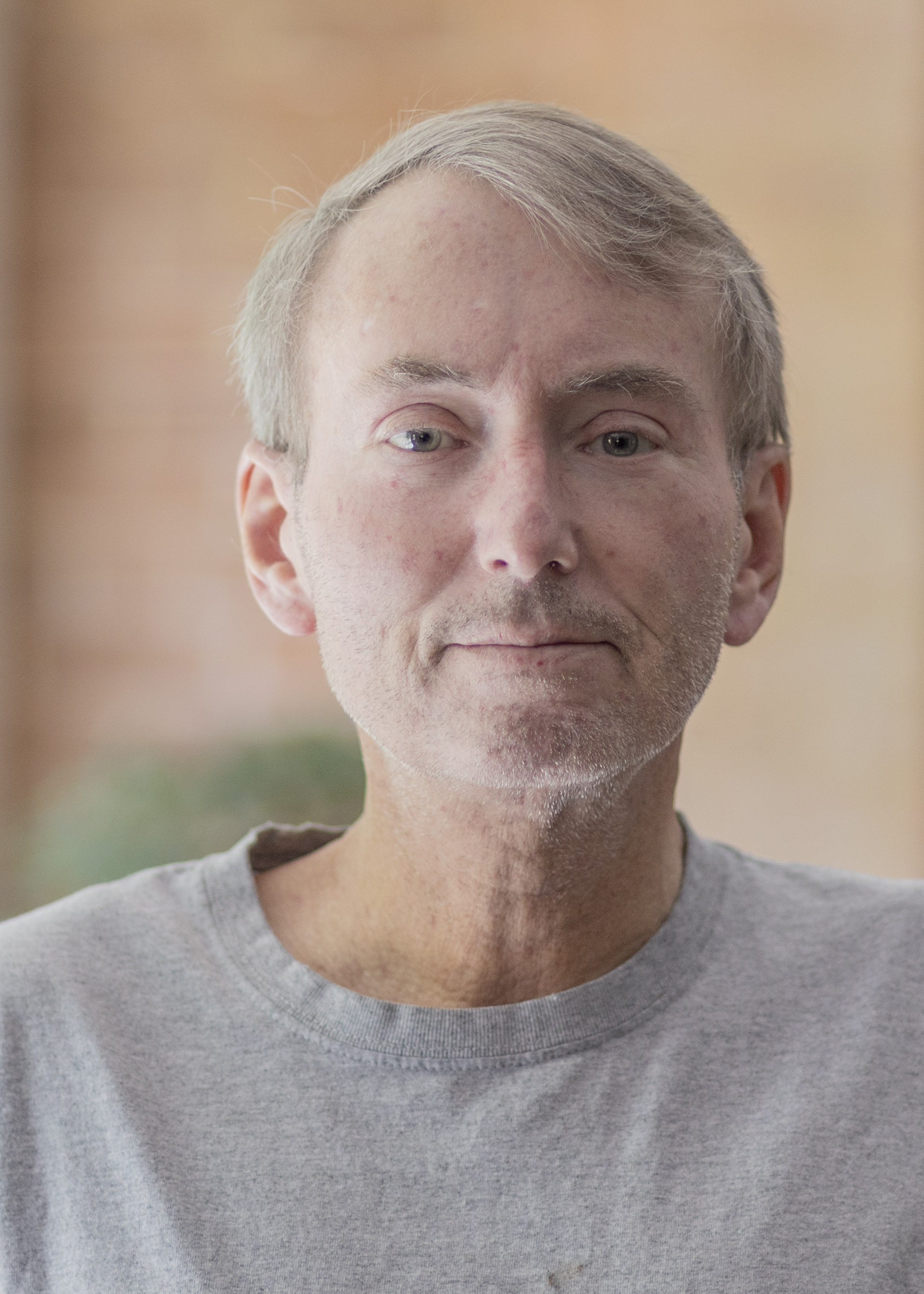
Ronnie M. Warner, M.D.
September 21, 1953 – 2020
My father Ronnie created this website to share his love of the Mebane-Nuckolls House and his many other passions — what us kids used to call his “hobbies of the month.” In his final years he was also writing a book of memoirs, a collection of stories about his life in Louisiana, medicine, and everything in between. The passages quoted below come from his own words in that manuscript. I am a historian, after all, so I want to tell his story properly. — Joey
Growing Up in Coushatta
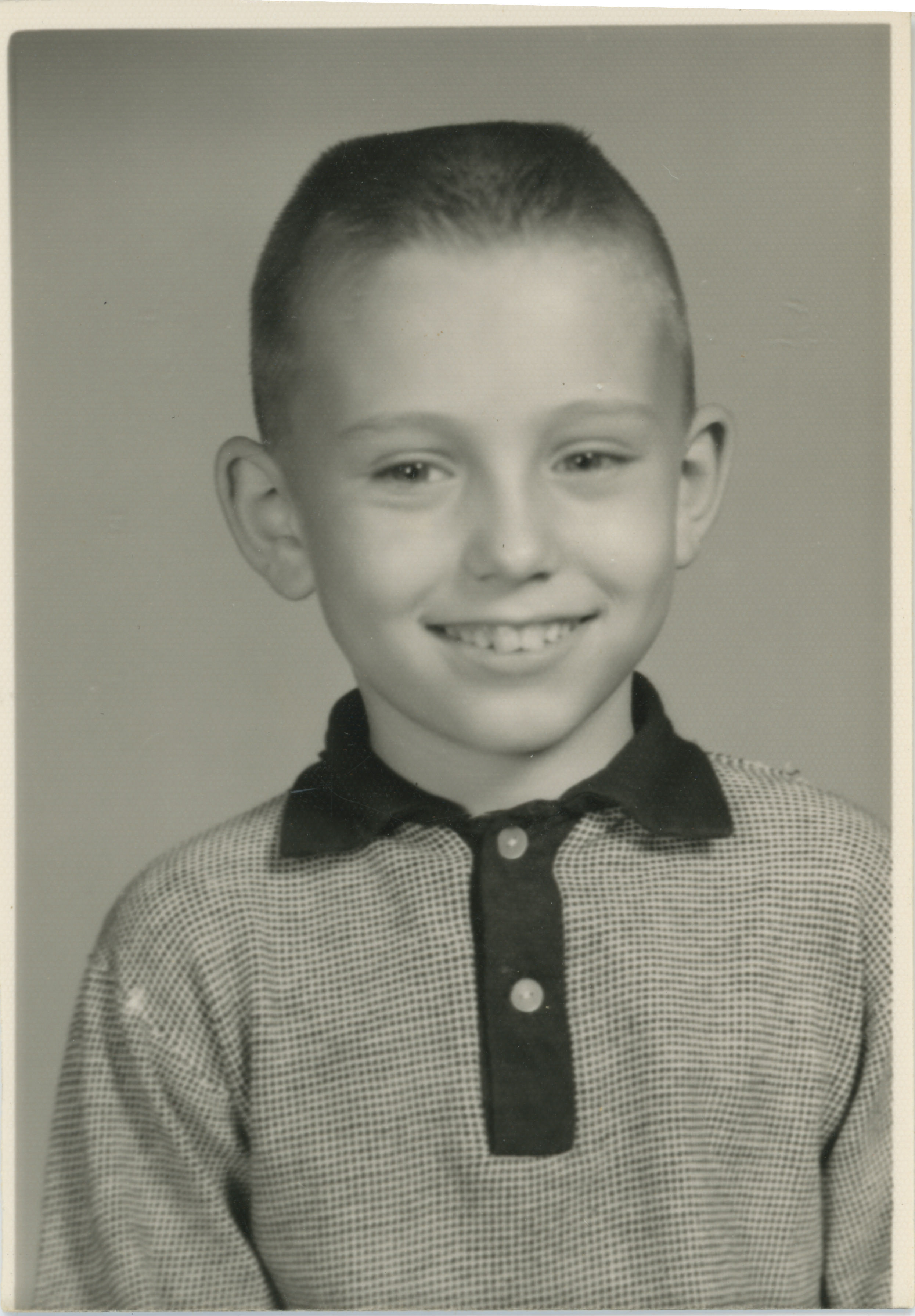
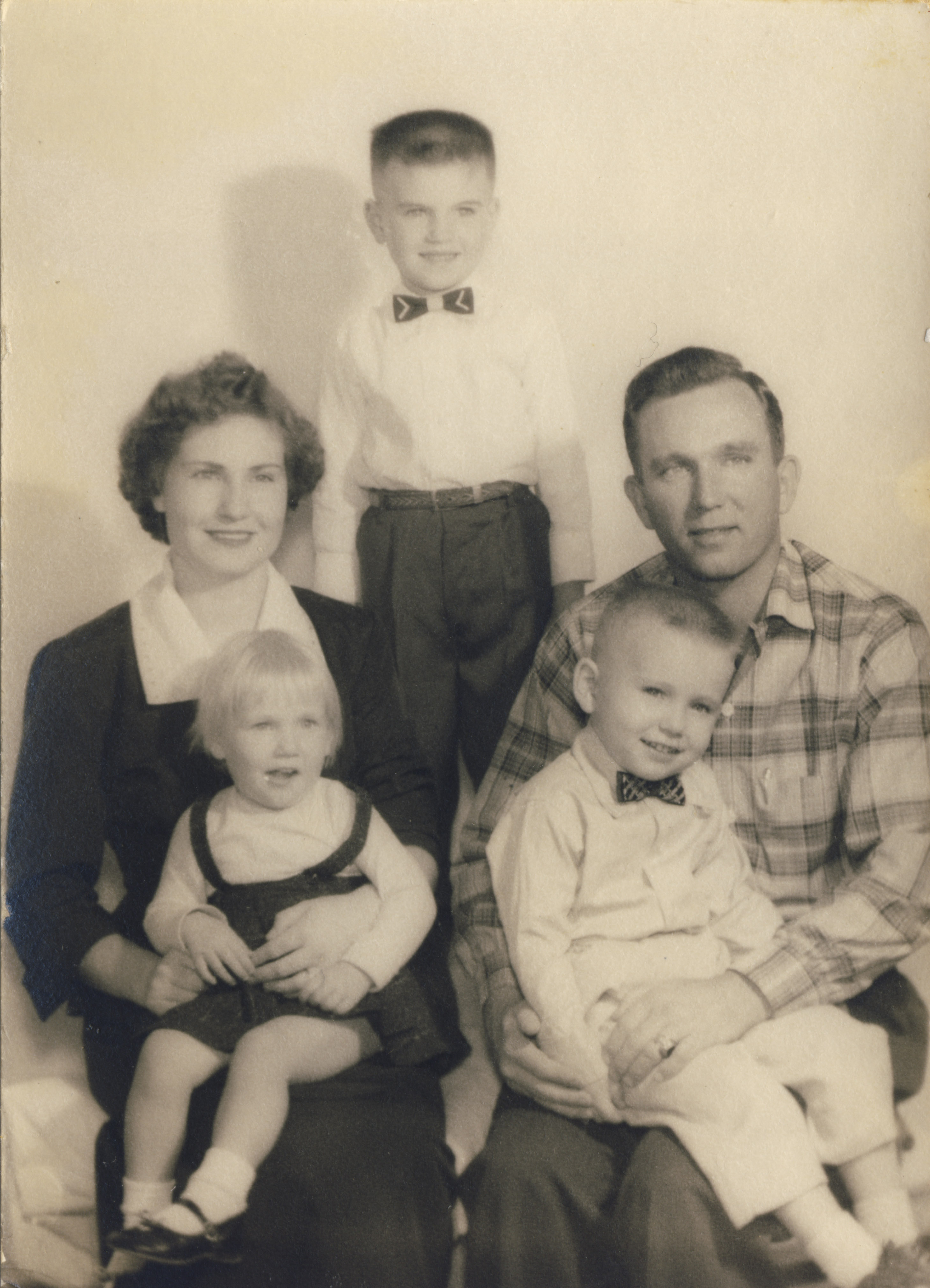
Ronnie was born on September 21, 1953, in Coushatta, Louisiana, to Wanda and Ocie Olian Warner Jr. He had an older brother, Michael, and a younger sister, Karen. His father was a school teacher and Army Captain who served in the Louisiana National Guard; his mother worked at Fowler's Drug Store in town. The family lived in Edgefield, a tight-knit postwar neighborhood on the edge of Coushatta.
He described it as communal territory: “People's houses and surrounding woods were for all the kids. We rolled through each other's kitchens and bedrooms at will, and moms would almost always stop what they were doing to whip up treats.” Bikes were out on the street until dark, and an impromptu baseball or basketball game was always at hand.
Seeing the World Clearly
A defining moment came in third grade, when his teacher noticed him squinting and moved him to the front of the class. Not long after, Ronnie got his first pair of glasses. At −8.75 diopters, he was at the far end of severe nearsightedness. He wrote about the moment he put them on for the first time: “For the first time in my life, I could see more than vague shapes beyond my elbows. I walked outside, and was amazed at making out individual leaves. There was the sudden realization that I hadn't known what trees looked like.”
That experience made him a deeply visual person — something that would shape his entire career. Around the same time, a preacher at church camp took the kids down a winding road into the dark and asked them to look up. “He pointed out constellations and the wide band of light that is the Milky Way. That preacher was a good guy.” It was Ronnie's introduction to astronomy, a love that never left him.
College and Medical School
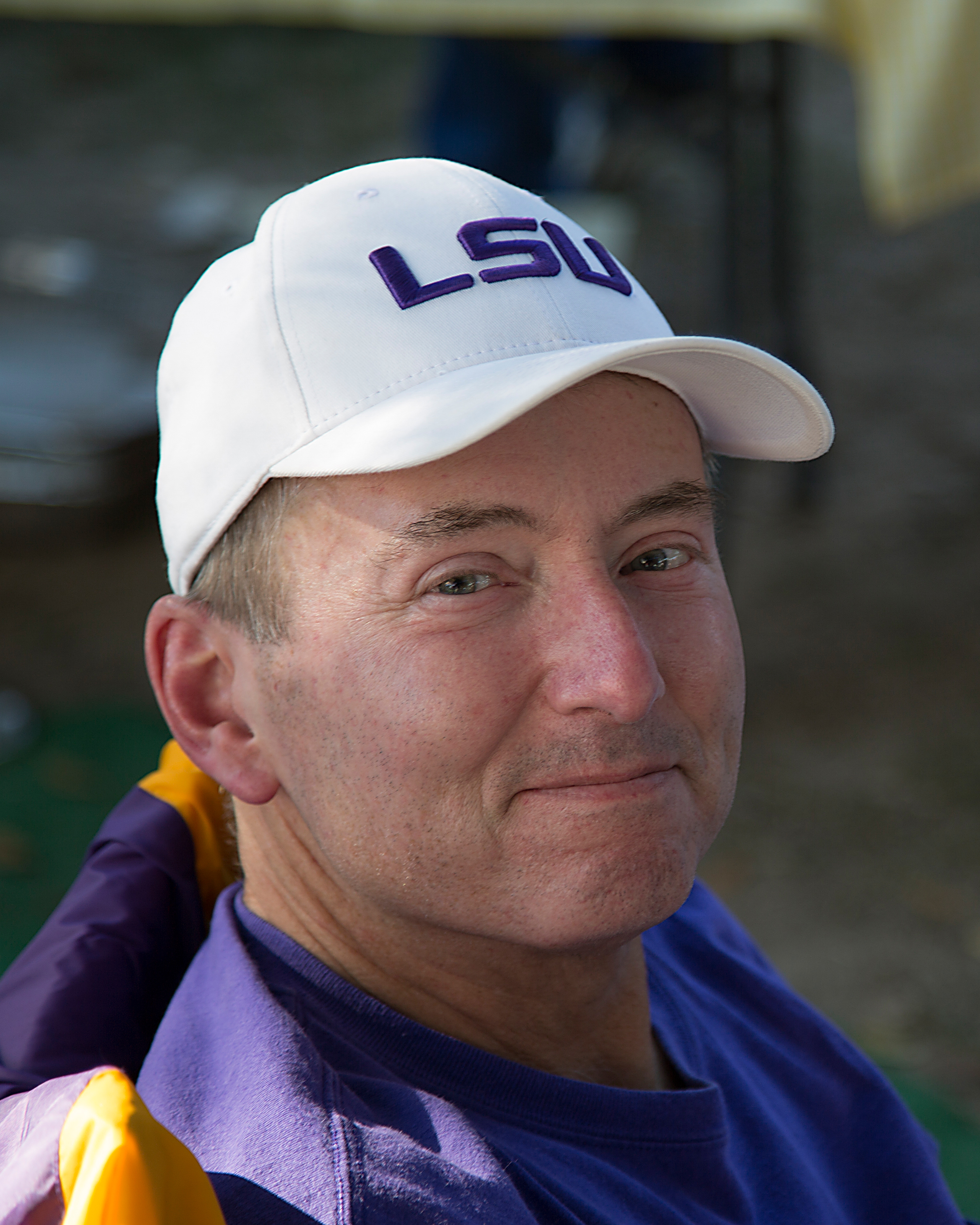
When a recruiter named Dr. Charles Black visited Ronnie's high school to talk about a new six-year combined BS–MD program at LSU Shreveport, Ronnie did not apply — but Dr. Black called his father anyway. After a long talk, Ronnie applied and was accepted almost immediately. He was in college one week after high school graduation. Only seven students were chosen for that inaugural accelerated program; three finished on time, and Ronnie was one of them. He could be a medical doctor at twenty-three.
The grind was relentless, but so was he. “I don't think many seventeen- or eighteen year-olds really know what they want to do. More importantly, many simply are not ready to make such a commitment. Fortunately, I'm a stubborn guy.” On the very first day of medical school, he was diagnosed with infectious mononucleosis, with a temperature of 104.6. His mentor, Dr. Reed, allowed him to make up the work the following summer and stayed close through the recovery. Ronnie credited that one-on-one time with shaping his thinking as a physician.
It was not until he discovered radiology that the fire was truly reignited. “Overnight, I was reading everything I could get my hands on, and enjoying every minute of residency. I had found my calling.” His love of visual problem-solving — the same thing that drew him to photography and astronomy — made radiology a perfect fit. As a graduating medical student he spent his very first money on an Olympus OM-1 camera, bought with a graduation gift from Bonnie's parents.
Bonnie
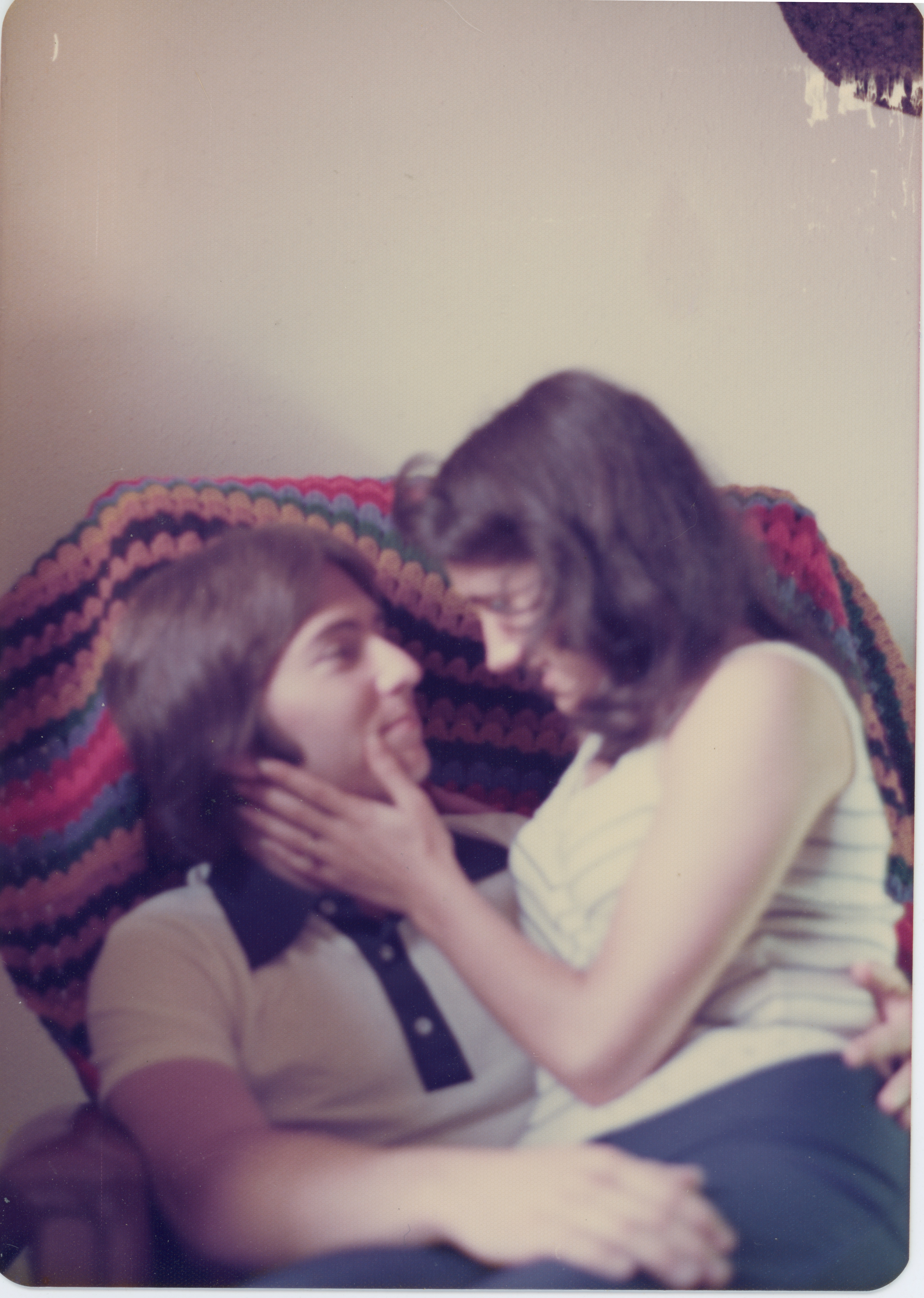
During a Biology Club trip to New Orleans, Ronnie noticed a door ajar in the hotel hallway. Bonnie Roach was inside, and invited him in. The other couple in the room eventually disappeared, and Ronnie and Bonnie sat up talking all night. Around four in the morning they walked through the deserted French Quarter and ended up at Café du Monde at sunrise, sharing café au lait and beignets. “I had never had this experience with a woman. Before then was just crushes and hormones and unrealistic dreams. At times, I wondered whether I would ever find a true partner.”
Like an idiot, he says, it was two months before he asked her out — to lunch at Whataburger. They had exactly one month together before medical school started. They have been together ever since. Whenever he told people they met in a hotel room in New Orleans, Bonnie would reply: “We did not! We knew each other before then.” But they really did.
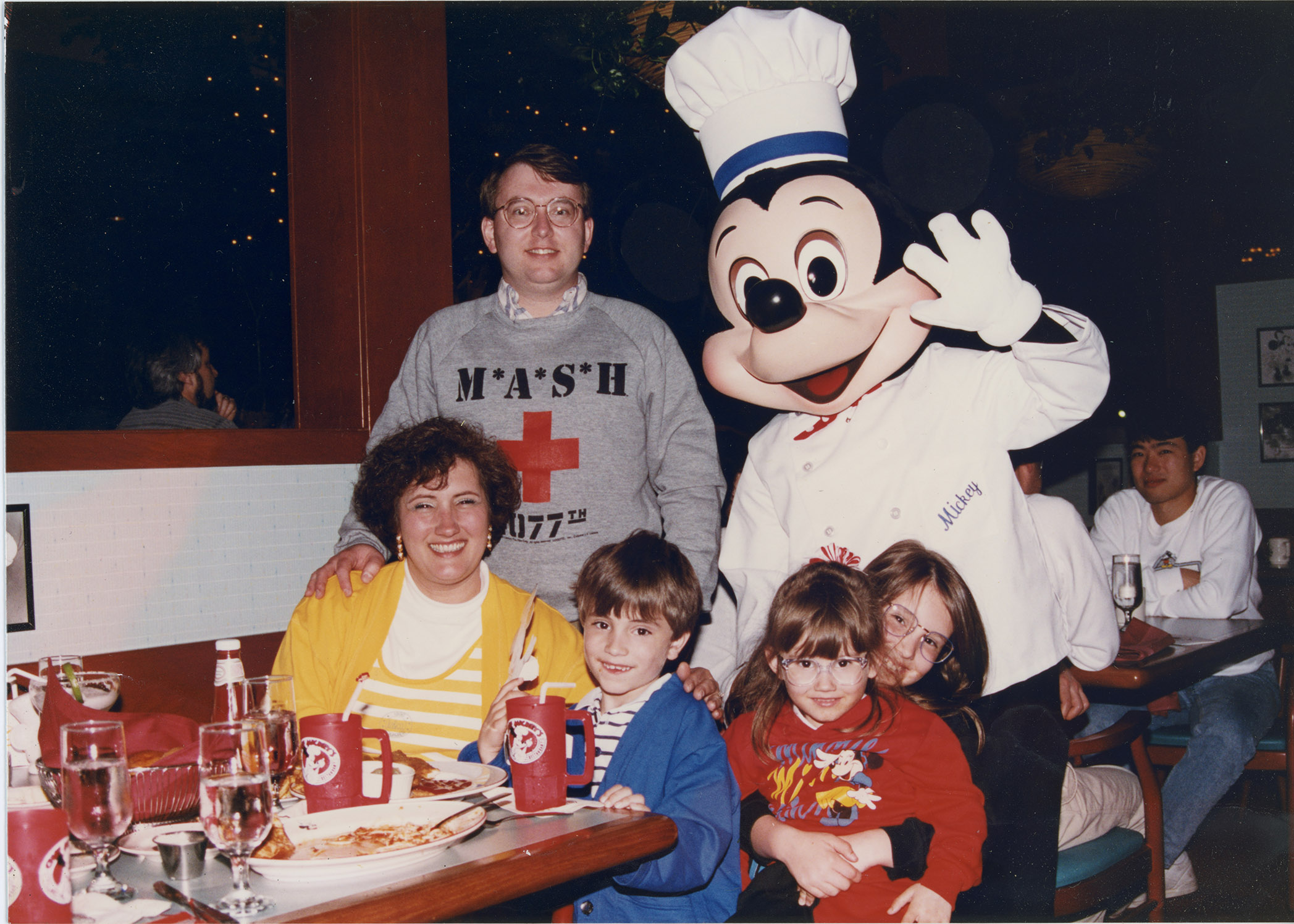
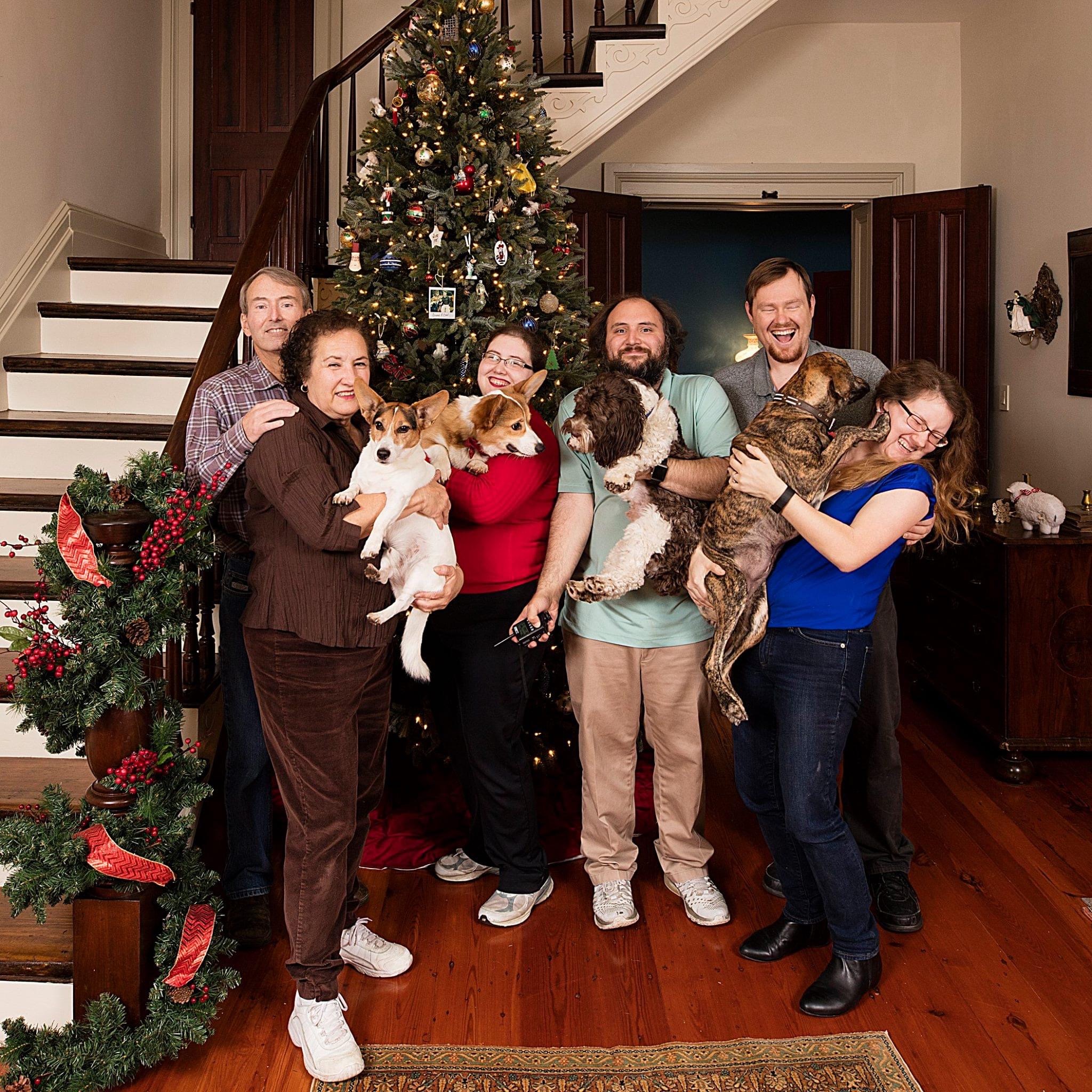
Ronnie and Bonnie had three children: Kristin, Joey, and Diane. Diane's husband James rounded out the family. Through residency and fellowship, Bonnie worked as a phlebotomist and then returned to school, finishing her Medical Technology degree at the University of Tennessee and being named the outstanding student of her class. “Thank you, Bonnie, for hanging 47 years with me and still striving for perfection.”
Career in Memphis
After completing his radiology residency at LSU, Ronnie found himself at a crossroads. The department had been destabilized by politics and the program lacked a CT scanner — a serious deficiency as the field was rapidly changing. At a national radiology meeting in Chicago, Dr. Gill Brogdon pulled him aside: “Son, you need to get your ass out of there right now.” Two friends were already training at Baptist Memorial Hospital in Memphis, the largest private hospital in the world at the time, doing seventy CT scans a day. He made the move.
“Moving to Memphis was transformative. I was now in a cutting edge environment.” He stayed on for a fellowship in body imaging, rotating through Baptist, LeBonheur Children's Hospital, and St. Jude's Children's Research Hospital, where he co-authored an article on Wilms' Tumors. He started private practice on July 1, 1982, joining Memphis Physicians Radiology Group at Saint Francis Hospital. He remained a partner there for thirty-seven years.
By his own account, the best professional move of his life was joining MPRG and Saint Francis. The hospital was ideally located, well-equipped, and surrounded by outstanding specialists. He became an interventional radiologist at a time when the field was being invented, and he loved every minute of it.
Scleroderma
In 2010, Dad was diagnosed with scleroderma, a disease which currently has no cure. It affects all organs in the body and causes considerable pain. True to form, he did not want us to see him suffering and did his best to hide it. He was given a life expectancy of around five years, but being as stubborn as he was, he doubled it. Near the end, he wrote: “41 years into this career and looking forward, I'm hoping to get back to photography and perhaps looking at the night sky. The problem is that some things are not as easy, now that a decade with scleroderma has taken its toll. Light and simple will be the way to go. But there will be a way.”
His Book
In his final years, Dad was writing a book of memoirs — vivid, funny, and deeply personal stories about growing up in Louisiana, becoming a doctor, life in Memphis, and all the passions that filled his days. He wrote about firecrackers at Christmas, fishing on Black Lake with his grandfather, the first time he ever saw individual leaves on a tree, and falling asleep in the green glow of a 1956 Chevy's instrument panel on the long drive home from his father's National Guard meeting. He did not finish it. We hope to someday.
Home